If you live or operate in Orange County, you currently understand our structures see plenty of tension. Salt air near the coast, hot attics through summer season, redesigns stacked on remodels, and ever-growing electrical loads from EV battery chargers, office, and backyard features. A comprehensive electrical assessment is not a high-end here. It is the distinction in between a system that serves you quietly for years and one that fails on the most popular afternoon or, even worse, puts your space at risk.
As a licensed electrical contractor who has opened thousands of panels from Seal Beach to San Clemente, I can tell you the story of a home's electrical wiring is written in details. The panel label informs you its age. The neutrals reveal if anyone cut corners. The attic junctions betray whether a previous owner do it yourself had actually a remodel. An appropriate electrical assessment in Orange County takes some time and judgment, and it ought to connect directly to a prepare for safety, reliability, and code compliance.
What an extensive evaluation in fact covers
A genuine evaluation goes beyond a look at the lights and a flip of a couple of breakers. It mixes measurement, visual checks, and code-based examination. Here is the top-level structure professional teams use across the county.
- Service and panel assessment, including load computations, condition of the primary breaker, bus integrity, labeling, bonding, grounding electrode system, and any indications of overheating or corrosion. Branch circuit evaluation for appropriate overcurrent defense, conductor condition, junction box stability, and device grounding or bonding. Life-safety device verification, including GFCI and AFCI protection where required, smoke and carbon monoxide device power and adjoin, and rise security strategy. Equipment and home appliance checks, from EV battery chargers and medical spa subpanels to HVAC disconnects, swimming pool bonding, and kitchen area or laundry circuits that see heavy day-to-day use. Exterior and low voltage evaluation, including outside lighting, landscape transformers, ring doorbells and cams, communication cabling, and any exposed conductors or scrubby enclosures.
On a typical single-family home, an experienced property electrician in Orange County will spend one to two hours on site, more if the home has additions or accessory dwelling units. Little industrial suites can take a similar quantity of time, but tenant enhancements, three-phase gear, or roof devices can extend the process.
Why Orange County environments demand sharper eyes
Local conditions form how electrical systems age. Coastal homes see rusted lugs and neutral bars long before inland counterparts. Attic temps in August can drive insulation beyond its score, specifically where older NM cable stumbles upon recessed lighting cans that were never ever IC ranked. Tracts from the 60s to early 80s sprayed throughout Anaheim, Garden Grove, and Huntington Beach often keep Federal Pacific Electric or Zinsco panels that evaluate fine on a peaceful day yet exhibit known failure modes under fault conditions. I have pulled breakers from these panels that looked normal till heat screening revealed they were not tripping within spec.
Commercial plazas face their own pressures. Convenience outlets on structure outsides are frequently vulnerable, landscapers nick buried channels, and renter build-outs add multiwire branch circuits with shared neutrals that are not constantly connected to a double-pole breaker, a code miss out on that can overheat conductors without tripping.
An inspection grounded in Orange County experience captures these local patterns. A generic lookover misses out on them.
Code touchpoints that matter throughout an inspection
California follows the California Electrical Code, based on the NEC with state changes. Cities and the county impose local regulations, and lots of line up closely with the present code cycle, though enforcement lags throughout transitions. Title 24 energy requirements influence lighting controls, consisting of job sensing units and high-efficacy components, which in turn shape how lighting installation in Orange County is assessed throughout remodel inspections.
For life security, GFCI defense is required in bathrooms, garages, outside outlets, laundry locations, and kitchen areas serving counter tops. AFCI protection is required for most 120-volt, 15 and 20 amp branch circuits in house systems. If your bedroom receptacles lack AFCI, that flags the need for an upgrade. Some options can be attained with breaker swaps, others require device-level protection or circuit reconfiguration, and a certified electrician in Orange County can judge the best retrofit approach given panel area and grounding conditions.
Grounding and bonding often need a close appearance. Older homes typically have a single ground rod where two are now needed or lack bonding to the water service because of repiping to PEX. Swimming pool systems must have an appropriate equipotential bonding grid. I have measured touch capacities around pool decks in Objective Viejo that warranted instant corrective work long before anything was noticeably wrong.
What inspectors gain from your main panel
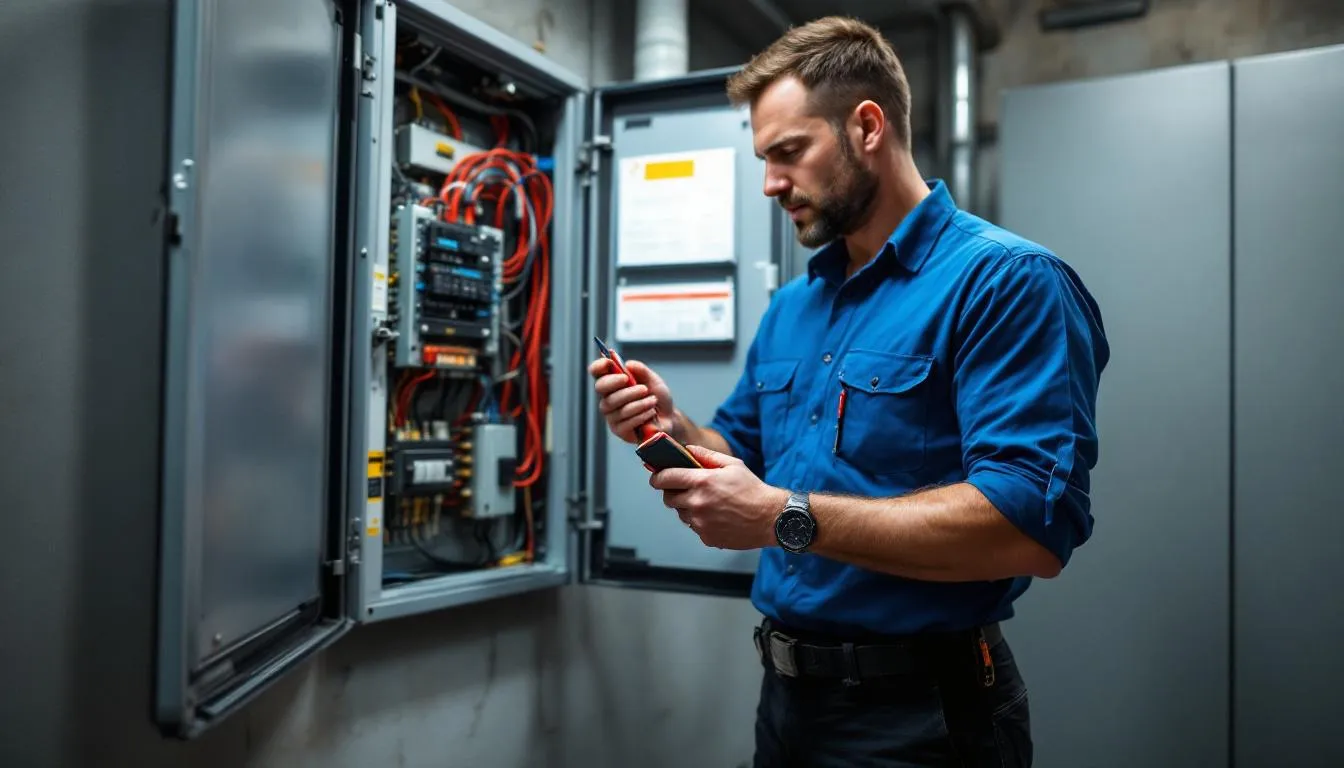
Open the door and you can check out the system. Identifying tells you https://claytonorbn603.trexgame.net/childproof-and-tamper-resistant-outlet-installation-orange-county whether anyone cared. Double-lugged neutrals, aluminum branch conductors landed under lugs not ranked for them, whole rows fed by tandem breakers in slots not approved for twins, missing clamp bushings where feeders go into the can, and blister marks on the bus where a stab overheated after years of loose engagement. These are not cosmetic. They are early warnings.
In older Orange County areas, 100 amp services made sense when a home brought 2 window air conditioner systems and a gas clothes dryer. Add an electrical automobile battery charger, a pool pump, and a modern kitchen, and you are out of headroom. A standard electrical panel upgrade in Orange County brings you to 200 amps with sufficient spaces for AFCI and GFCI breakers, space for a whole-home surge protective device, and capability for future solar backfeed. When we propose panel replacement in Orange County, we factor utility coordination with Southern California Edison or, for some addresses, Anaheim Public Utilities, meter relocation rules, and weatherproofing if the equipment sits outdoors on a coastal wall.
EV battery chargers, solar, and the new electrical load profile
Electric lorry adoption is climbing fast here. An EV battery charger setup in Orange County typically sets off the very first severe take a look at your home's load. A Level 2 electrical car battery charger, usually on a 40 to 60 amp circuit, can push a marginal service over the edge. Load computations are not guesswork. We utilize the optional method in the code when it helps, however the numbers must be defensible. If the mathematics is tight, demand management gadgets or a panel upgrade are sensible courses. For multi-family structures, channel capability, meter socket scores, and common location load diversity entered play. A business electrician in Orange County will likewise think about EVSE network requirements and devoted data lines or low voltage wiring to support them.
Solar affiliations present their own constraints. Bus ranking, primary breaker sizing, and 120 percent guidelines figure out whether a supply-side tap or a line-side connection is viable. An electrical examination must examine whether the existing gear will accept solar securely, not simply whether somebody can make a license stick.
Kitchens, baths, and remodel layers
Remodels are where previous work typically collides with new gadgets. I have opened junction boxes in Laguna Niguel kitchen areas where five cable televisions were wirenutted under a single yellow connector, then stuffed behind a built-in microwave. Code needs box fill estimations and available junctions. GFCI protection on cooking area counter top circuits is mandatory, and modern kitchen areas generally need a minimum of 2 20 amp little appliance circuits. When counters get extended or islands included, I search for whether the outlet spacing and defense follow existing requirements without developing problem trips.
Laundry spaces and bathrooms see moisture and mixed loads. Inspections validate devoted circuits for laundry devices and GFCI protection for restroom receptacles, in addition to the appropriate separation of neutrals and premises in subpanels serving additions above garages or yard studios.
Lighting, from recessed cans to backyards
Recessed lighting in Orange County homes runs the range, from early non-IC cans under blown-in insulation to modern-day sealed LED modules. Old cans can overheat or leakage conditioned air into the attic. I frequently advise retrofit trims that bring effectiveness and temperature efficiency approximately present expectations without a full tear-out. Outside lighting matters too. Corroded lamp holders, stopping working in-ground well lights, and undersized landscape transformers can journey breakers or produce shock dangers after watering runs. Throughout an inspection, we megger questionable circuits where moisture invasion is presumed and validate that all outside receptacles have in-use covers and GFCI protection.
Commercial lighting evaluations consist of Title 24 manages, from tenancy sensing units to daylighting zones in workplace suites. For warehouse or back-of-house areas, confirming high-bay circuit load and the existence of proper disconnects near equipment cuts fixing time later.
Smart home and low voltage details that still impact safety
Smart home electrical wiring in Orange County is often an afterthought layered by various suppliers. Doorbells tied into a buried transformer entwined in a wall cavity, video camera power taps run from attic junctions without strain relief, and PoE switches overheating in cramped media cabinets. These systems may be low voltage, yet they still demand correct raceways and terminations to avoid fire risks and continuous problem failures. During examinations we search for exposed LV cables near high-voltage conductors, insufficient bend radii, and unlisted power supplies.
Rental home and small business realities
Landlords and small company owners deal with special pressures. For leasings, quickly turnovers can conceal deferred upkeep. I remember a Costa Mesa duplex where tenants reported periodic interruptions. The perpetrator was an oxidized split-bolt on an overhead service drop, combined with a loose neutral bar in the meter-main. An emergency electrical contractor in Orange County attended to the instant safety run the risk of the same day, then set up a panel replacement and service upgrade to bring back stability. A quick fix without a complete evaluation would have left the home one summertime storm away from another blackout and prospective equipment damage.
For little retail and office suites, code modifications can route tenant improvements by years. Numerous remodels can result in subpanels daisy-chained further than anybody anticipates, with mixed grounding paths and mislabeled circuits. A business inspection confirms three-phase loads are well balanced, dedicated circuits exist for point-of-sale systems, which egress and emergency lighting behave properly on power loss. These steps prevent secret blackouts throughout peak hours.
When a same day or 24 hour action is worth it
Most issues can wait for a set up check out. Some can not. If you smell burning at the panel, see arcing at an outlet, lose one leg of your service, or discover a hot outlet faceplate, those qualify as emergencies. A 24 hr electrical contractor in Orange County must triage by phone, encourage you on instant security actions, and dispatch with the best equipment. In a lot of cases, an emergency team will stabilize the system, then prepare a follow-up repair throughout daytime hours when utility coordination is possible.
I have actually handled overnight calls where a failed main breaker left half a home dead and a half-melted lug under load. We isolated the fault, brought the home to a safe partial power state, and changed the meter-main the next morning as soon as SCE pulled the meter. That series matters. Rushing a permanent repair at 2 a.m. Without utility clearance can develop bigger issues than it solves.
A brief homeowner pre-inspection checklist
You can assist the process run smoothly with a couple of simple actions before your electrical expert arrives.
- Clear access to the primary panel, subpanels, attic scuttle, and any mechanical spaces or closets with electrical gear. Make a quick list of recognized issues, such as tripping breakers, flickering lights, or particular outlets that feel warm. Locate current permits or past electrical invoices, specifically for panel replacements, solar, or EV chargers. Unlock side gates and make sure canines are secured so outdoor receptacles, air conditioning disconnects, and pool equipment can be checked. If safe, test GFCI and AFCI devices ahead of time and note any that do not reset.
These little actions save 15 to thirty minutes on website and cause a cleaner, more precise report.
What happens throughout the check out, action by step
Clients frequently ask what we actually do in the field. While every job is different, a structured technique keeps nothing overlooked.
- Interview and walk-through to understand signs, additions, and heavy-use locations like the kitchen area, home office, and garage. Panel open-up, infrared scan, torque examine available lugs, examination of labeling, bus condition, bonding, and rise protection. Circuit tasting and device screening, consisting of polarity, grounding, and GFCI or AFCI function, with strategic receptacles opened to examine box fill and splices. Attic, crawl, and outside survey to catch concealed junctions, damaged avenues, or moisture-related degradation near eaves and hose pipe bibs. Findings review, pictures, and a prioritized plan that separates must-do safety products from efficiency upgrades and long-term improvements.
Good interaction at this phase matters. A local electrician in Orange County should translate code language into clear threats and benefits, then price choices transparently.
Common recommendations after inspections
Not every home requires a panel upgrade. Some need smaller, targeted repairs that provide outsized gains in security and dependability. Switching a handful of breakers for combination AFCI or dual-function devices can safeguard sleeping spaces and living locations. Changing a rusted outside subpanel beside a pool devices pad can stop ground faults that trip every time the salt cell kicks on. Updating bathroom and kitchen GFCIs that no longer trip within spec is affordable and meaningful.
For lighting, I frequently suggest converting old recessed cans to sealed LED retrofits. It reduces attic heat load on conductors, fulfills Title 24 effectiveness, and removes loose trims that shed insulation. In older homes wired with multiwire branch circuits, a corrective modification to deal with ties or a proper two-pole breaker is a small repair with big safety implications.
Whole home rewiring in Orange County is sometimes the ideal call, especially when fragile cloth-insulated conductors or prevalent bootleg premises are discovered. The work is disruptive, so we phase it room by space and frequently integrate it with spot and paint to minimize the overall concern on the homeowner.
Costs and reasonable timelines
Pricing depends upon size, gain access to, and findings. A straightforward electrical evaluation in Orange County typically varies from about 149 to 350 for a residence, more for multi-unit or business spaces, specifically if the report must satisfy insurance or a realty transaction. Panel upgrades to 200 amps commonly land in between 2,500 and 5,500 for basic meter-main replacements with clear gain access to, though seaside rust, service movings, or trenching can press that higher. Committed 240-volt circuits for EV battery charger setup in Orange County frequently cost 700 to 2,000, depending upon panel distance and wall finishes. Entire home rewiring can span from the high single thousands into the twenties for larger houses with plaster walls or limited attic space.
Timelines follow allowing and utility schedules. Lots of cities in Orange County turn around easy electrical permits in a couple of days, though some plan checks for service modifications or business projects can take longer. Southern California Edison coordination for service upgrades is generally manageable within one to 3 weeks depending upon team accessibility. Exact same day electrical contractor services work well for diagnostics, little repair work, or security corrections that do not need permits.
Selecting the ideal professional
Look for a certified electrician in Orange County with verifiable experience in your city. Newport Beach and Irvine inspectors tend to be exacting about labeling and Title 24 controls. Huntington Beach and San Clemente bring coastal corrosion into play. Ask for before and after images of current panel replacements, examples of load computations for EV setups, and recommendations from similar residential or commercial properties. Top ranked electrical contractor teams document well, discuss trade-offs, and do not oversell.
Avoid the trap of picking exclusively on a rock-bottom cost. An affordable electrical contractor in Orange County is one who develops the scope well, prevents callbacks, and sets up your home or business for the next decade of needs. If you require fast assist, an exact same day electrical expert can stabilize problems, however do not avoid a correct follow-up assessment to address root causes.
Real cases from the field
A Mission Viejo property owner called about a buzzing breaker. The panel housed a Zinsco, tidy to the eye, however the main breaker revealed heat staining. Infrared scanning revealed a hotspot 40 degrees above ambient on a lightly packed afternoon. We set up a panel replacement and updated grounding with 2 rods and a water bond. The homeowner later on included a 50 amp electrical lorry charger without a hiccup, proof that resolving the core restraint pays dividends.
In Anaheim, a little bakeshop suffered random oven resets at lunch break. The subpanel fed from a long term did not have an appropriate devices ground, and the neutral return to the main panel was undersized. After we installed a correctly rated feeder with different neutral and ground and moved crucial loads to dedicated circuits, the mystery outages ended. Productivity went up, not since of brand-new ovens, but due to the fact that the electrical foundation finally matched the load.
A Laguna Beach rental had GFCIs that never ever tripped during testing. The basement outlets were bootlegged, neutrals tied to grounds inside old metal boxes. We corrected the circuitry, installed new GFCI and dual-function breakers, and changed corroded outside receptacles with in-use covers. The owner called it the quietest summertime in years. No annoyance journeys, no calls from visitors, and a clean insurance renewal thanks to a recorded electrical inspection.
The value of continuous maintenance
Electrical systems age slowly until they fail quickly. If your property is more than twenty years old, dedicate to a regular check, especially after huge changes like kitchen area remodels, new heating and cooling, or solar and EV additions. Companies with heavy seasonal loads ought to arrange examinations before peak season. Residential or commercial property managers take advantage of an annual sweep that captures loose lugs, expired rise protectors, and wetness intrusion early. These are small, foreseeable costs that prevent large, disruptive ones.
For homeowners, one wise rhythm is simple. After any major set up, such as an EV charger or panel replacement, schedule a six-month follow-up torque and thermal check, then return to a 2 to 3 year cycle unless symptoms appear. Keep your panel location dry and clear, test GFCI and AFCI devices regular monthly if accessible, and take flickers or regular journeys seriously instead of adjusting to them.
Where services fit beyond inspections
An extensive inspection frequently results in focused improvements that improve comfort and safety. Outlet setup in Orange County homes that lack convenient power in home offices can be done easily with correct fire stopping and AFCI security. Ceiling fan setup that includes box ranking checks and vibration-damping hardware lowers long-lasting sound problems. For backyards, outside lighting in Orange County needs listings for damp areas and clever control programming that appreciates Title 24 timing, while likewise enduring irrigation overspray and coastal air. Generator installation need to account for transfer equipment, gas supply, and sound restraints in tight neighborhoods. Electrical troubleshooting that uses metering, load logging, and thermal imaging cuts uncertainty and prevents unnecessary parts swapping.
Local experience ties it all together. A capable Orange County electrical contractor can identify easily, communicate choices, and perform work that stands the test of time.
Final ideas from the field
A great electrical assessment is quiet, methodical work. It leaves you with truths, context, and a strategy. It does not count on scare techniques. It respects that not every code update validates an instant retrofit, yet it names the items that do, particularly where shock or fire danger exists. Whether you search for an electrician near me Orange County for a quick check or you are all set for a full electrical panel upgrade, focus on teams that reveal their work. Pictures, determined worths, and clear labeling are the marks of professionals.
Buildings across Orange County are as varied as individuals who live and operate in them. The best evaluation tailors itself to the property in front of you, not a list printed years back. Succeeded, it supports everything that occurs under your roof, from the first coffee before daybreak to the last backyard light that clicks off after guests head home.